
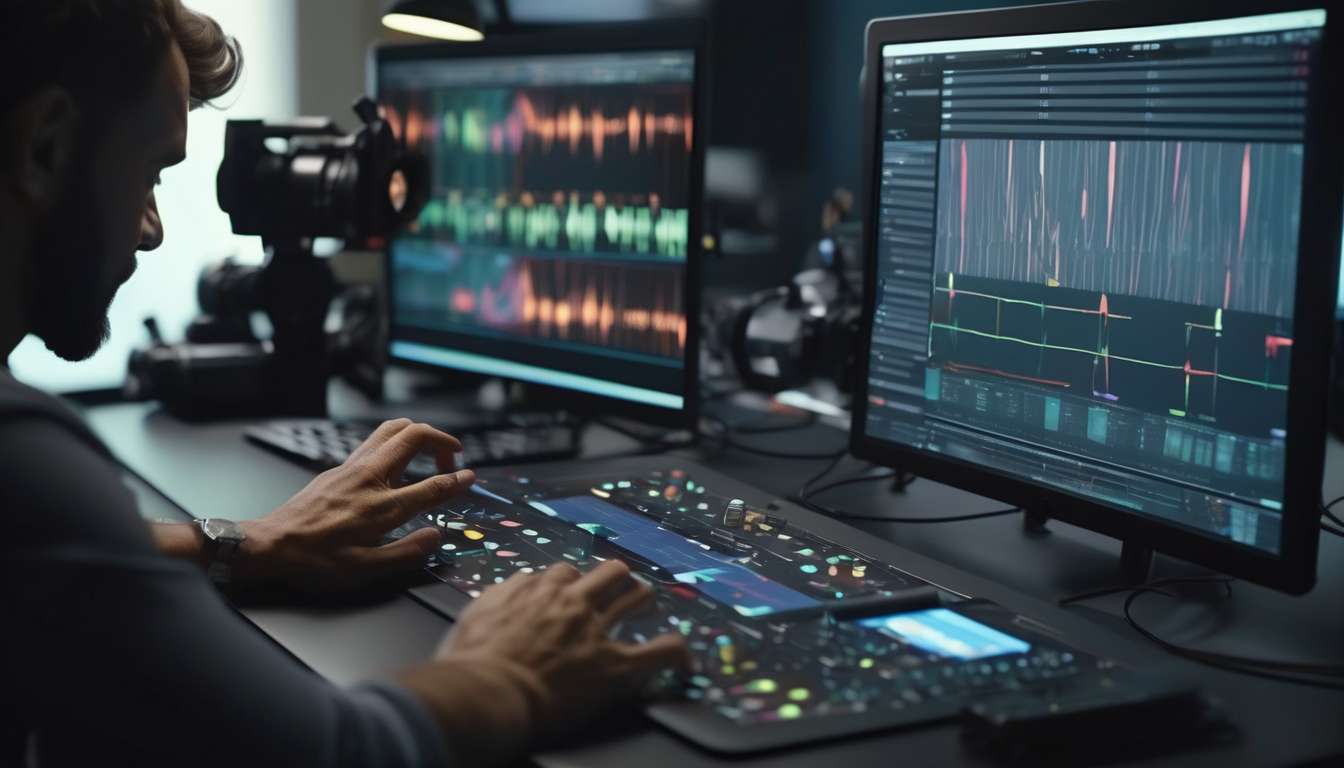
Lining up production steps like a finely tuned machine, adult video workflows often mirror mainstream filmmaking but carry unique challenges that demand tailored quality assurance.
We observe two opposite approaches on set:
- Chaotic, improvisational shoots that many expect — often leading to wasted time, budget overruns, and inconsistent results.
- Disciplined, repeatable processes — the preferred approach — which produce consistent, higher-quality outcomes.
Applying systematic QA reduces problems and protects people:
- Checklists for pre-production, on-set, and wrap reduce missed items and reshoots.
- Standardized scene protocols ensure continuity, performer safety, and clarity about boundaries.
- Technical monitoring (audio, lighting, camera settings) prevents avoidable post issues.
- Post-production audits catch editorial, compliance, and technical faults before release.
Streamlined operations provide concrete benefits:
- They respect performers’ boundaries through clear expectations and consent workflows.
- They optimize deliverables by reducing retakes and speeding turnaround.
- They preserve creative intent by minimizing ad hoc changes that compromise vision.
Treating adult content production with the same rigor as other audiovisual industries elevates outcomes without sacrificing authenticity.
This article outlines practical QA strategies adapted for adult video teams, focusing on three pillars:
- Careful planning — pre-production checklists, shot lists, equipment tests.
- Transparent communication — consent protocols, role definitions, on-set briefings.
- Measurable standards — technical specs, acceptance criteria, and post-release audits.
When teams move from reactive to proactive workflows, everyone benefits: safer sets, more reliable deliverables, and better marketability.
Planning and Pre-Production
Objectives and scope.
We outline clear objectives, legal checks, talent screenings, and logistical plans to ensure safe, compliant, and high-quality shoots.
Map outcomes and responsibilities.
We map outcomes, assign responsibilities, and document every requirement so the whole team feels included and accountable.
Consent verification (discrete step).
We run consent verification as a discrete step — confirming valid, dated paperwork and ID matches — without rehashing later communication protocols.
Technical specifications up front.
We set technical specifications up front:
- Camera formats
- Frame rates
- Audio levels
- Lighting diagrams
- Backup procedures
This ensures creatives and technicians share a common language.
Scheduling and wellbeing.
We plan schedules that respect boundaries and allow downtime, reinforcing a culture where everyone belongs.
Health, safety, and logistics.
We coordinate health and safety checks, secure locations, and arrange discreet transport and changing areas.
Deliverables and post-production QA.
We also define deliverables and timelines that feed into rigorous post-production QA:
- Specify color grading targets
- Define audio cues
- Approve edits to minimize revisions
Benefit of standardization.
By standardizing these pre-production elements, we build trust, reduce surprises, and create a dependable workflow that centers both quality and community.
Consent and Communication
We prioritize clear, ongoing communication and documented, revocable consent at every stage so everyone knows what’s expected and can change their mind safely.
We build consent verification into checklists, requiring signed acknowledgements and verbal confirmations recorded on set so consent is explicit, time-stamped, and easily auditable.
We make space for questions and revisions, reminding participants they belong to a team that listens and adapts.
We align consent with technical specifications, sharing shot lists, lighting diagrams, wardrobe notes, and audio standards in advance so participants can consent to concrete details rather than vague ideas.
During production, we confirm any deviations and re-secure consent when creative choices shift.
We connect communication trails to post-production QA, ensuring editors and QA reviewers only work with approved clips and that metadata reflects consent status and technical notes.
When discrepancies appear, we pause and resolve them collaboratively.
By treating consent and communication as integral to quality, we create workflows that respect people and reduce rework.
Safety and Wellbeing
We prioritize on-set safety and mental wellbeing.
We proactively manage physical risks, emotional support, and recovery resources so performers and crew can work without harm.
Key practices include:
- Normalizing check-ins and clear consent verification.
- Immediate access to trained wellbeing personnel.
- Documenting boundaries and aftercare plans, and making those records part of the workflow so people feel seen and protected.
We align production practices with agreed technical specifications that minimize hazards.
This covers lighting, set layout, and props while keeping the focus on comfort and dignity.
Operational measures include:
- Scheduling reasonable call times and breaks.
- Providing confidential reporting channels.
- Ensuring medical and mental health resources are available before, during, and after shoots.
- Integrating post-production QA into wellbeing protocols to confirm edits respect consented terms and that sensitive material is handled securely.
We commit to continuous improvement and accountability.
We learn from feedback and hold each other accountable so safety and wellbeing remain central to quality assurance.
Technical Standards
We define clear, measurable technical standards for filming, audio, and file handling so productions meet quality, safety, and distribution requirements.
We create shared technical specifications that everyone understands — resolution, codecs, color profiles, audio levels, and secure file-transfer protocols — so our team can rely on consistent outputs.
We integrate consent verification into these standards.
- Consent and permissions are documented for each asset.
- Documentation is stored and retained according to retention policies.
We keep language inclusive and practical so crew and performers feel part of a dependable process rather than policed by it.
We document equipment calibration steps, naming conventions, and metadata requirements so handoffs are predictable and respectful of everyone’s time.
We define acceptable tolerances for technical performance so post-production QA can focus on creative refinement, not basic fixes.
- Acceptable tolerances include audio noise levels, sync drift, and image exposure ranges.
We review and update technical specifications regularly with input from the whole team to reinforce that quality standards are a collective commitment to safety, professionalism, and mutual respect.
On-Set Checklists
We use concise, role-specific on-set checklists to make sure every shoot runs safely, efficiently, and in line with our technical and consent standards.
Each role has its own checklist: producer, talent coordinator, camera, sound, and lighting.
- These ensure everyone knows their responsibilities and that participants are protected.
- They promote inclusion and shared ownership of safety and quality.
Every checklist includes three core elements:
- Consent verification steps before rolling.
- Clear technical specifications (camera settings, audio levels).
- A short safety and comfort review.
Checklists are used and updated in real time during setup.
- Items are ticked off as they’re completed.
- Deviations are documented and immediate corrective actions assigned.
- Markers for shots and timecodes are noted to aid post-production QA.
We update checklists collaboratively after each shoot.
- Contributors see their feedback reflected.
- This fosters continuous improvement and a sense of belonging.
The result: clear, specific, and shared lists that strengthen trust, reduce errors, and ensure consistent, repeatable workflows that respect people and craft.
Post-Production QA
Post-production QA overview
We systematically review footage, audio, and metadata to confirm integrity, compliance with performer agreements, and adherence to our editorial and quality standards.
Consent and permissions verification
We verify consent records against shoot logs to ensure every participant’s permissions align with the intended distribution.
- We cross-check consent forms and digital consent logs.
- We reconcile any discrepancies with production notes and talent managers.
- We flag missing or ambiguous permissions for immediate resolution.
Continuity and timestamps
We check file continuity and timestamps so edits reflect the documented scope of the scene.
- We ensure clip ordering matches shoot logs.
- We verify timecode consistency across cameras and audio sources.
- We confirm that edited sequences do not extend beyond agreed-upon usage or scene boundaries.
Technical deliverable testing
We test deliverables against technical specifications for format, resolution, codecs, and loudness to guarantee consistent playback across platforms.
- We validate container formats and codec settings.
- We confirm resolution, frame rate, and pixel aspect ratio.
- We measure loudness (LUFS), true peak, and dynamic range against spec.
Visual and audio quality checks
We run frame-by-frame visual checks and detailed audio scans.
- Visual checks: frame-by-frame inspection for artifacts, color consistency, and clean edits.
- Audio checks: scanning for clipping, noise, and synchronization issues.
- We document any defects with timecode references and severity ratings.
Communication and feedback
We keep communication open with editors, producers, and performers to strengthen trust and shared ownership of outcomes.
- We invite feedback during review cycles.
- We share annotated notes and reference clips for clarity.
Corrections, tracking, and approval
When corrections are needed, we document action items, assign responsibilities, and verify fixes before final approval.
- Document required fixes with clear descriptions and timecodes.
- Assign tasks to specific team members and set deadlines.
- Re-check corrected assets and sign off only when all issues are resolved.
Purpose and culture
Post-production QA creates measurable standards, repeatable quality, and visible accountability that bind the crew together and protect the final product.
Compliance and Documentation
We maintain thorough compliance records and organized documentation to prove legal, ethical, and contractual adherence for every release.
We create a shared repository where consent verification forms, model IDs, and release timelines are stored and indexed so everyone on the team can access what they need.
We document technical specifications for each shoot — codecs, resolutions, color profiles, and audio levels — and link them to the shoot folder to prevent miscommunication between departments.
We integrate post-production QA checklists into our documentation workflow, so editors, QC reviewers, and producers sign off at defined milestones.
We keep change logs for edits, versioned deliverables, and distribution approvals to ensure traceability.
We build onboarding guides and templates that reflect these practices, helping new members feel included and confident in compliance duties.
By keeping records clear, centralized, and actionable, we protect our performers and partners, meet contractual obligations, and ensure every release aligns with legal and ethical standards.
Continuous Improvement
We continually analyze performance metrics, feedback, and incident reports to refine processes, reduce errors, and raise production quality cycle by cycle.
We make continuous improvement a shared responsibility, so everyone feels included in raising standards and protecting participants.
We track how consent verification is handled on set, review gaps, and update workflows so verification is consistent, visible, and respectful.
We audit adherence to technical specifications before shoots and after transfers, so files meet format, resolution, and metadata expectations.
We run regular post-production QA checkpoints to catch audio sync, color grading, and continuity issues early, and we adjust timelines and checklists based on what we learn.
We document corrective actions, celebrate measurable gains, and invite suggestions from crew and talent to strengthen trust.
We use short retrospectives to convert incidents into actionable changes, ensuring improvements are realistic and adopted.
By keeping processes transparent and participatory, we build a dependable, accountable production culture that values safety, quality, and belonging.
How can studios measure the ROI of implementing a formal QA program for adult video production?
How studios can measure ROI of a formal QA program
Direct production and post-production metrics
- Track reduced re-shoots, faster time-to-release, and lower post-production fixes.
- Measure fewer customer complaints and issues escalated to support.
Quantify cost savings vs. QA expenses
- Calculate cost savings from avoided re-shoots, reduced editing/OPEX, and lower support costs.
- Compare those savings against the total QA program expenses (staff, tools, processes).
Revenue and subscriber impact
- Measure revenue retention attributable to higher content quality (fewer refunds, longer view times).
- Track subscriber churn reduction linked to improved quality and reduced complaints.
Financial ROI calculations
- Calculate payback period (time for QA savings to cover initial QA investment).
- Compute Net Present Value (NPV) of future savings versus QA costs.
- Optionally calculate Internal Rate of Return (IRR) if multiple-year projections exist.
Governance and continuous review
- Review metrics regularly (weekly/monthly/quarterly) to detect trends and validate assumptions.
- Share results across teams—production, post, finance, and executive—to ensure buy-in and continuous improvement.
Summary
By combining direct operational metrics, quantified cost savings, revenue/subscriber impact, and standard financial calculations (payback, NPV, IRR), studios can produce a defensible ROI for a formal QA program and maintain stakeholder engagement through regular reporting.
What specific training or certification pathways exist for QA professionals working in adult media, and how can a studio develop in-house expertise?
Training and certifications QA pros can get for adult media
General QA certifications
- ISTQB — foundational software testing knowledge and best practices.
- ISO 9001 — quality management systems and process improvement.
Content- and compliance-focused courses
- Digital content moderation — policies, escalation, and safety decision-making.
- COPPA / age verification — legal requirements and technical approaches for protecting minors.
- Privacy / GDPR — data protection principles, lawful processing, and user rights.
Technical training
- Video encoding — codecs, containers, bitrate profiles, and optimization for streaming.
- Metadata standards — tagging, schema design, and searchability (e.g., IPTC, XMP, custom taxonomies).
Building expertise in-house
-
Mentorship program
- Pair senior QA or compliance experts with juniors for hands-on training.
- Define regular shadowing and review sessions.
-
Cross-functional workshops
- Run sessions with product, legal, engineering, and safety teams to align on policies and edge cases.
- Use real-world scenarios and post-mortems as learning material.
-
Standard operating procedures (SOPs)
- Document workflows for moderation, escalation, age checks, and privacy handling.
- Keep SOPs versioned and accessible.
-
Competency tracking
- Maintain a skills matrix that maps people to required certifications and proficiencies.
- Use periodic assessments to identify gaps and training needs.
-
Continuous learning & community networking
- Encourage attendance at industry conferences, webinars, and relevant online communities.
- Sponsor certifications and paid training; allocate time for learning.
Next steps (suggested)
- Inventory current team skills and certifications.
- Prioritize training gaps based on risk (legal/compliance first).
- Build a 6–12 month training roadmap combining external courses and internal workshops.
- Establish measurable competency milestones and update SOPs as practices evolve.
How should a production handle QA and quality disputes between performers and producers after release (e.g., requests for edits, removals, or corrections)?
We should address post-release QA disputes promptly, empathetically, and transparently.
Review process:
- We’ll review requests against contracts, consent records, and legal obligations.
- We’ll prioritize performer safety and dignity.
- We’ll offer remediation where justified, such as edits, removals, or limited access.
Documentation and communication:
- We’ll document decisions and the reasons behind them.
- We’ll communicate expected timelines to the requester and other stakeholders.
- We’ll provide clear appeal procedures.
Prevention and support:
- We’ll update workflows and consent practices to prevent repeat issues.
- We’ll offer support resources to anyone affected.
Conclusion
You’ve seen how QA elevates every stage of adult video production—from planning and consent to on-set safety, technical standards, and post-production checks.
By documenting processes, maintaining compliance, and fostering clear communication, you reduce risk, protect performers, and improve final output.
Keep evolving your checklists, training, and feedback loops so quality becomes routine, not occasional.
Do this, and you’ll produce safer, more professional content that stands up legally and creatively.