
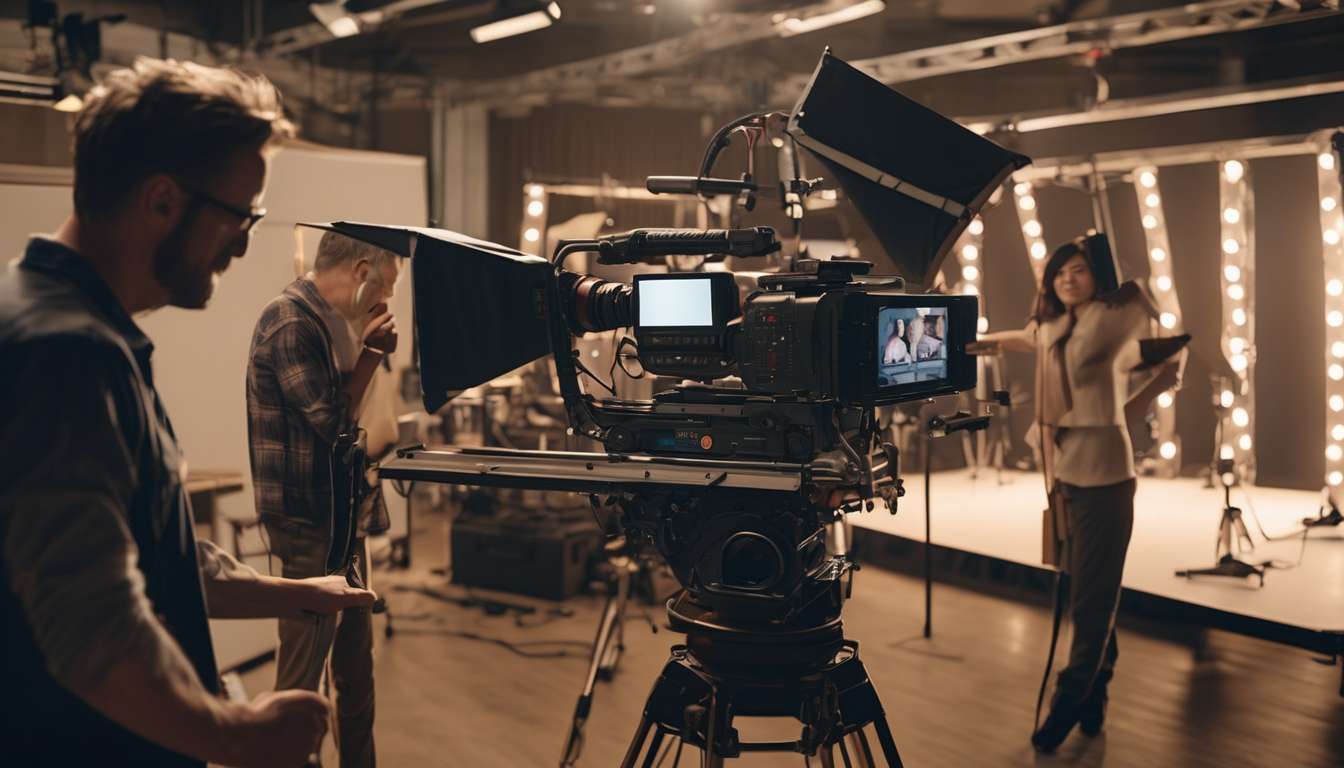
I grew up hearing that adult video sets are chaotic, unprofessional spaces driven only by instinct and improvisation.
That myth has shaped how many outsiders—and some insiders—approach the industry.
Our experience paints a different picture: studios that invest in production training transform workflows, raise safety and consent standards, and produce work that is technically and ethically superior.
Key benefits of production training:
-
Improved technical quality
- Crew trained in lighting and sound create consistent, high-quality footage.
- Better technical execution reduces costly reshoots and post‑production fixes.
-
Enhanced safety and consent
- Clear protocols and communication practices ensure participants’ boundaries are respected.
- Training codifies how to obtain and document informed consent, protecting performers and producers.
-
Reduced stress and smoother shoots
- Trained scheduling and on‑set communication minimize downtime and confusion.
- Performers can focus on their work when the environment is organized and predictable.
-
Fewer misunderstandings through clear roles
- Demystifying production roles prevents overlap, gaps, and conflict.
- Codified best practices make expectations explicit for everyone on set.
Why this matters: formalized training is not about sterilizing creativity—it’s about supporting it, protecting participants, and building sustainable businesses.
This article explores how production training reframes professionalism in adult video studios and why that shift benefits everyone involved.
Setting Professional Standards
Establish clear, enforceable standards for conduct, safety, and professionalism.
Create a shared foundation with explicit consent protocols.
- Consent protocols are explicit, revisited before every scene, and documented so every team member feels secure and respected.
Outline a predictable, transparent production workflow.
- Define roles and responsibilities clearly.
- Publish call times and escalation paths.
- Use consistency to build trust and belonging.
Require checklists and briefings to support handoffs.
- Use standardized checklists for scene prep, equipment, and personnel.
- Hold briefings to reduce misunderstandings and ensure everyone is aligned.
- Train coordinators to monitor adherence without policing culture.
Implement measurable quality-control steps.
- Conduct inspections during and after shoots.
- Maintain feedback loops for immediate adjustment.
- Hold post-shoot reviews to capture lessons and improve outcomes.
Encourage open communication and safe reporting.
- Provide channels for open dialogue.
- Offer anonymous reporting options so concerns are heard and addressed promptly.
Balance firm standards with human empathy.
- Recognize personal boundaries and contextual factors.
- Apply standards consistently but with sensitivity to individual needs.
Embed practices into daily routines to cultivate belonging.
- Make these practices habitual through regular training and reinforcement.
- The result: a professional, respectful environment where everyone feels secure and can contribute confidently.
Technical Skill Development
We’ll focus on building measurable technical skills—camera operation, lighting, sound, and editing—through structured exercises, hands-on practice, and targeted feedback.
Create clear modules that map to our production workflow so every team member knows expectations and can practice within real shoot scenarios.
Pair novices with mentors for practical drills:
- Shot composition drills
- Lighting setups
- Multi-mic techniques
- Non-linear editing projects that mirror our deliverables
Include checkpoints for quality control:
- Test shoots
- Watchbacks
- Checklist-driven reviews that make standards visible and improvable
Incorporate consent protocols into scheduling and briefings so sessions respect boundaries and administrative requirements without repeating later safety topics.
Encourage collaborative problem-solving and knowledge sharing:
- Regular debriefs
- Shared resources
- Peer feedback loops
Measure improvements and celebrate milestones to raise technical competence and reinforce a culture where professionalism and mutual respect go hand in hand.
Consent and Safety Protocols
We’ll establish clear, documented consent and safety procedures that everyone follows before, during, and after shoots to protect performers, crew, and the production.
We create consent protocols that are specific, signed, and revisited at key points in the production workflow so everyone knows limits, safewords, and scope.
We train together on recognizing verbal and nonverbal cues, documenting any changes, and pausing activity when needed.
We make safety a collective responsibility:
- Medics, coordinators, and leads share checklists and spot-checks as part of quality control to reduce risk and reinforce trust.
- Inclusive briefings welcome questions and confirm comfort levels, reinforcing that concern for wellbeing strengthens our team and our content.
We keep records accessible to authorized personnel, integrate incident reporting into the workflow, and review outcomes in post-production debriefs to learn and adapt.
By embedding consent protocols into everyday practice and coupling them with rigorous quality control, we create a professional environment where belonging and safety are inseparable.
On‑Set Communication Systems
We establish clear, redundant on‑set communication systems.
We use radios, visual signals, and check‑in protocols so everyone can coordinate, raise concerns, and stop action immediately when needed.
We train together on consent protocols tied to communication.
- How to use stop signals.
- When to call a pause over radio.
- Who confirms restart.
That shared vocabulary builds trust and ensures no one feels isolated.
We map communication points into the production workflow.
- Define predictable message flows between talent, crew, and safety officers.
- Use simple hand signals for camera and sound cues.
- Use discrete lights for scene status.
- Hold regular verbal check‑ins before sensitive shots.
These practices let us resolve issues quickly, keep morale high, and reinforce that every voice matters.
We document logs for quality control.
We note pauses, consent reaffirmations, and technical observations so the team can learn and improve.
We practice these systems to build a cohesive team.
Consistent rehearsal creates an environment where people belong, feel heard, and can focus on doing excellent work together.
Scheduling and Production Efficiency
We streamline schedules and workflows to minimize downtime, prioritize well‑being, and make the most of every shooting hour.
We build a transparent production workflow that everyone can rely on.
- We share call times, scene lists, and buffer windows so people can plan travel, rest, and boundaries.
- By aligning shoot timing with consent protocols, we ensure conversations and confirmations happen before cameras roll, not rushed between scenes.
We use shared calendars, clear handoffs, and quick daily briefings to reduce confusion and honor people’s time.
- That consistency deepens trust and a sense of belonging: when people know the rhythm, they participate more confidently.
We integrate simple quality control checkpoints to keep rework rare and respectful of participants’ schedules.
- Equipment checks
- Lighting checks
- Audio checks
- Comfort checks
When unplanned changes occur, we communicate options and impacts immediately.
- This preserves dignity and schedule integrity.
Our goal is an efficient, humane production rhythm that keeps creative standards high while treating everyone as valued collaborators.
Role Clarity and Accountability
Define clear roles, responsibilities, and decision points.
- Everyone should know who’s accountable for safety, scheduling, and creative choices.
- Explicit decision points prevent confusion during shoots and rehearsals.
Map the production workflow.
- Show how each person’s work connects to others so they can see where they fit.
- A visible workflow builds belonging and trust.
Assign a point person for consent protocols.
- That person must have the authority to pause a scene.
- This responsibility is non-negotiable and must be supported by the whole team.
Name leads and document handoffs.
- Name scheduling leads, technical operators, talent liaisons, and creative directors.
- Document handoffs so accountability isn’t ambiguous.
Train on escalation paths and reporting.
- Provide simple, practiced steps for reporting concerns.
- Clear escalation paths ensure issues are addressed quickly and respectfully.
Hold short debriefs after shoots.
- Confirm responsibilities were followed.
- Note adjustments to procedures for continuous improvement.
Encourage mutual support and constructive feedback.
- Team members back each other when policies are enforced.
- Offer constructive feedback when roles overlap.
Outcome:
Clear role definitions reduce friction, protect participants, and make the production workflow more predictable — creating a culture where everyone feels seen and responsible.
Quality Control Practices
We’ll implement consistent checkpoints and measurable standards so every scene meets safety, legal, and creative expectations before and after filming.
We’ll embed consent protocols into each stage of the production workflow, making verification a visible, shared responsibility rather than an afterthought.
We’ll use checklists and time‑stamped logs to confirm that releases, health checks, and agreed boundaries are recorded and reviewed.
We’ll run technical reviews for audio, lighting, and framing immediately after takes.
We’ll run creative reviews with performers and directors to ensure intent matches outcome.
When issues arise, we’ll document corrective actions and update training materials so the whole crew learns from them.
Quality control will be collaborative:
- Peer reviews
- Rotating QC leads
- Routine debriefs
We’ll measure success with clear metrics:
- Rework rates
- Compliance scores
- Performer feedback
We’ll celebrate improvements.
By making quality control inclusive and transparent, we’ll strengthen safety, uphold legal standards, and create work everyone can be proud to belong to.
Long‑Term Business Sustainability
Diversify revenue streams and share financial responsibility.
We’ll create membership tiers, licensing deals, and educational offerings so income isn’t tied to a single release.
We’ll share responsibility for financial planning across the team, ensuring decisions aren’t centralized and financial risk is distributed.
Invest in performer welfare and embed robust consent protocols.
Preserve trust by embedding robust consent protocols into every phase of the production workflow.
Make sure performers feel safe, heard, and supported through clear consent steps, access to resources, and ongoing communication.
Standardize procedures to guarantee consistent quality.
Implement checklists, post-shoot reviews, and measurable KPIs so quality control isn’t optional and output remains consistent.
Use standardized workflows to reduce errors and speed onboarding.
Train staff across creative and administrative roles.
Provide cross-training so everyone understands their part in long-term stability.
Develop clear role descriptions, regular training sessions, and mentorship programs to build capability and institutional knowledge.
Engage the community and cultivate belonging.
Solicit feedback and celebrate contributions to foster loyalty among performers, crew, and audience.
Treat sustainability as a collective practice — not just an executive task — to maintain resilience, protect people, and keep the studio thriving through change.
How should studios handle performers’ requests for accommodations related to disabilities or chronic health conditions that aren’t covered by standard consent and safety protocols?
We’ll listen openly and treat accommodation requests as legitimate needs.
We’ll collaborate with performers to find reasonable adjustments that protect health, dignity, and scene integrity.
We’ll document agreements and ensure confidentiality.
We’ll involve medical or accessibility experts when needed.
We’ll train staff to respond respectfully and revisit accommodations regularly so performers feel supported and included.
What legal or immigration considerations should be addressed for international performers or crew members beyond routine contract and consent paperwork?
Legal and immigration issues for international performers and crew extend beyond standard contracts.
Visa type and work authorization
- Verify the correct visa category and that it explicitly permits paid work in the host country.
- Confirm visa validity covers the full engagement dates and any rehearsals, travel days, or promotional activities.
- Watch for restrictions on the scope of permitted activities (e.g., performing vs. unpaid appearances).
Tax residency and withholding rules
- Determine whether performers or crew become tax residents under local rules during their stay.
- Check withholding obligations for pay earned in-country, including source-based taxes and possible tax treaty relief.
- Advise on estimated tax payments and payroll reporting to avoid penalties.
Local labor and social security obligations
- Ascertain whether local employment law applies (e.g., minimum wage, working hours, rest periods) even for short-term gigs.
- Determine social security contribution requirements or exemptions for short-term foreign workers.
- Review collective bargaining agreements or union rules that may impose additional terms.
Reporting to immigration authorities
- Ensure any required arrival/departure or engagement notifications are filed with immigration or other authorities.
- Track permit or visa amendments if the engagement scope or dates change.
Right-to-work documents, translations, and certified copies
- Verify original right-to-work documents and acceptable forms of ID.
- Provide professionally translated documents and certified copies when required by authorities or employers.
- Keep organized records of all documents and submissions.
Securing legal counsel for complex cases
- Engage local immigration and employment counsel for unusual situations (e.g., multi-country tours, extended stays, disputes).
- Use counsel to navigate visas, tax residency conflicts, and local litigation or enforcement risks.
Confidentiality and non-retaliation protections
- Include confidentiality and non-retaliation clauses to protect individuals who report issues or require accommodations.
- Implement policies and channels that foster trust, belonging, and safe reporting without fear of adverse consequences.
Practical next steps
- Compile each individual’s travel, work, and compensation details.
- Run a visa and tax screening checklist for each jurisdiction involved.
- Obtain certified translations and verify right-to-work documents before travel.
- Retain local counsel where risk or complexity is high.
If you want, I can turn this into a checklist template, a short onboarding packet for international talent, or help map rules for a specific country or tour schedule. Which would be most useful?
How can production training address the emotional labor performers do off-camera (e.g., social media engagement, public appearances) without blurring professional boundaries?
We’ll acknowledge that performers do emotional labor off-camera and build training that validates those efforts while setting clear boundaries.
We’ll teach social-media pacing, scripted vs. spontaneous engagement, and consent-based fan interactions.
We’ll role-play public appearances, model self-care, and create team norms that protect downtime.
We’ll encourage shared language for saying “no” and set organizational policies that normalize boundaries, so everyone feels respected and supported.
Conclusion
You’ve seen how production training raises professional standards, sharpens technical skills, and embeds consent and safety into every shoot.
By using clear on‑set communication, efficient scheduling, and defined roles, you’ll reduce mistakes and boost accountability.
Quality control practices help you deliver consistent work that clients trust, and that reliability supports long‑term business sustainability.
Keep investing in training; it turns good intentions into reliable procedures, protects people, and strengthens your studio’s reputation and future.